Mobile Wallets Gain Traction in Online Payments
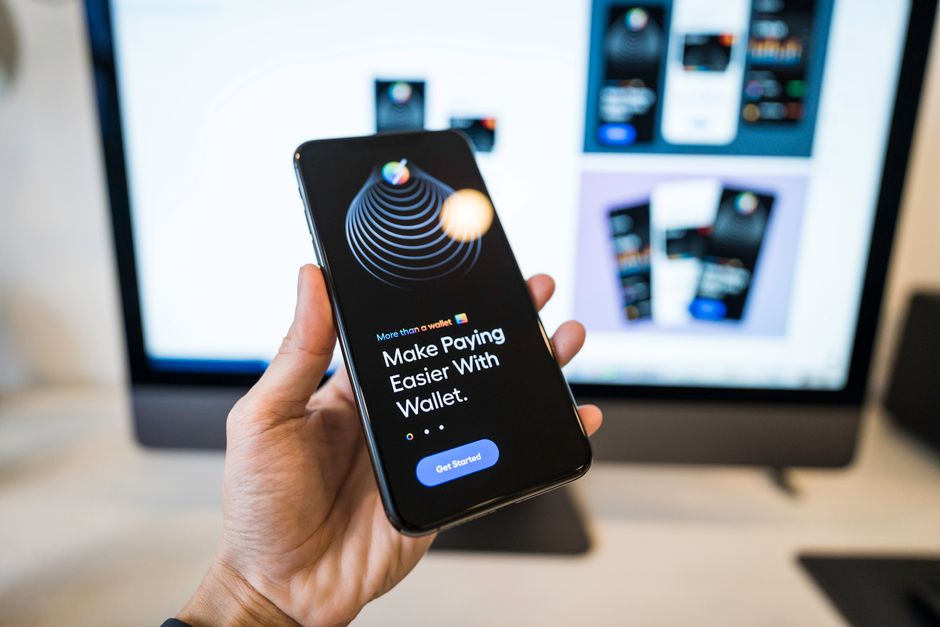
Mobile wallets are increasingly becoming a preferred method for online purchases in the United States. This shift is largely driven by the convenience they offer, allowing consumers to complete transactions with a few taps on their smartphones. Enhanced security features, such as tokenization and biometric authentication, also contribute to their growing adoption. As more retailers integrate mobile wallet options, understanding the underlying processes and frameworks becomes essential for businesses and consumers alike.
The rise of mobile wallets reflects broader changes in payment ecosystems, where digital and physical experiences converge. This article explores the factors behind this trend, the technological mechanisms involved, and the implications for various stakeholders. By examining these elements, we can better grasp how mobile wallets are reshaping online payments without asserting definitive outcomes.
It is important to note that the adoption of mobile wallets varies across demographics and regions, influenced by factors such as device compatibility, merchant acceptance, and consumer preferences. The information presented here aims to provide a neutral overview of current developments and considerations.
Factors Driving Mobile Wallet Adoption
Several factors contribute to the increasing use of mobile wallets for online transactions. Convenience stands out as a primary driver, as mobile wallets eliminate the need to manually enter payment details for each purchase. This streamlined process appeals to consumers seeking efficiency in their online shopping experiences. Additionally, the integration of mobile wallets with loyalty programs and rewards further incentivizes usage.
Security features also play a significant role. Mobile wallets often employ advanced encryption and tokenization, which replaces sensitive card information with a unique digital identifier. This can reduce the risk of data breaches during online transactions. Biometric authentication, such as fingerprint or facial recognition, adds an extra layer of protection, making unauthorized access more difficult.
Another factor is the growing acceptance of mobile wallets by online merchants. As more e-commerce platforms adopt these payment options, consumers gain more opportunities to use them. This network effect can create a positive feedback loop, where increased acceptance leads to higher usage, which in turn encourages further adoption. However, these trends are context-dependent and may not apply uniformly across all markets.
Furthermore, the COVID-19 pandemic accelerated the shift toward contactless payments, including mobile wallets, as consumers and businesses sought to minimize physical contact. While the pandemic’s impact has waned, the habits formed during that period may persist. It is essential to consider that multiple external factors influence these patterns, and no single cause can fully explain the trend.
Technological Underpinnings of Mobile Wallets
Mobile wallets rely on a combination of technologies to facilitate secure and efficient transactions. Near-field communication (NFC) enables contactless payments in physical stores, while for online purchases, mobile wallets often use tokenization and secure elements within the device. Tokenization replaces card details with a unique token that is specific to a particular merchant or transaction, reducing the risk of exposing actual card numbers.
Secure element chips, embedded in many smartphones, store payment credentials in a protected environment. This hardware-based security can make it more challenging for malicious actors to access sensitive data. Additionally, mobile wallets may leverage host card emulation (HCE) to emulate a smart card without a secure element, though this approach may have different security considerations.
Authentication mechanisms are integral to mobile wallet security. Biometric methods, such as fingerprint or facial recognition, verify the user’s identity before authorizing a transaction. Alternatively, PINs or patterns can be used. These authentication steps aim to ensure that only the authorized user can initiate payments.
Behind the scenes, mobile wallets interact with payment networks, issuers, and acquirers through standardized protocols. This interoperability allows mobile wallets to function across different banks and merchants, though the exact implementation can vary. Understanding these technical details can help stakeholders appreciate the complexity involved and the factors that influence performance and security.
Security and Privacy Considerations
Security is a critical aspect of mobile wallets, as they handle sensitive financial information. Tokenization, as mentioned, is a key security measure that minimizes the exposure of actual card details. Even if a token is intercepted, it is typically useless outside the specific context for which it was generated. This can reduce the potential impact of data breaches.
Biometric authentication adds a layer of security by tying the payment authorization to the user’s physical characteristics. This makes it more difficult for someone else to use the mobile wallet without the owner’s consent. However, biometric systems are not infallible and can be subject to false acceptances or spoofing attempts, albeit with varying degrees of difficulty.
Privacy is another consideration. Mobile wallet providers may collect data on transactions, which could be used for analytics or targeted advertising. Consumers should be aware of privacy policies and how their data is handled. Regulations such as the California Consumer Privacy Act (CCPA) and the General Data Protection Regulation (GDPR) in Europe set standards for data protection, but their applicability and enforcement vary.
It is important to recognize that no system is completely secure, and the effectiveness of security measures depends on multiple factors, including user behavior, device security, and the overall payment ecosystem. Therefore, a layered approach to security is often recommended, combining technological safeguards with user education and vigilance.
Impact on Consumers and Merchants
For consumers, mobile wallets offer a convenient way to pay online without repeatedly entering payment information. This can save time and reduce friction during checkout, potentially leading to higher completion rates for online purchases. Additionally, mobile wallets can centralize multiple payment cards and loyalty programs in one place, simplifying management.
However, consumers may have concerns about security and privacy, as discussed. They may also encounter situations where mobile wallets are not accepted, limiting their usefulness. The availability of mobile wallet options depends on the merchant’s payment infrastructure and the consumer’s device capabilities. Thus, the experience can vary widely.
For merchants, accepting mobile wallets can be a way to cater to consumer preferences and potentially increase sales. It may also reduce the risk of certain types of fraud, as tokenization can enhance security. On the other hand, integrating mobile wallet payments requires technical adjustments and may involve additional costs. Merchants must weigh these factors against the perceived benefits.
Moreover, the data generated by mobile wallet transactions can provide insights into consumer behavior, which merchants might use to optimize their offerings. However, this raises privacy considerations that must be addressed in compliance with relevant regulations. Overall, the impact on consumers and merchants is multifaceted and depends on specific circumstances.
Future Outlook and Challenges
The future of mobile wallets in online payments is likely to be shaped by ongoing technological advancements and evolving consumer expectations. Innovations such as blockchain-based payments and digital identity solutions could influence how mobile wallets function. However, these developments are subject to regulatory approvals and market acceptance, and their timeline is uncertain.
Challenges include ensuring interoperability across different mobile wallet platforms and payment networks. Fragmentation could hinder widespread adoption if consumers and merchants face compatibility issues. Standards bodies and industry consortia are working on frameworks to promote interoperability, but progress may be gradual.
Another challenge is addressing security concerns as threats evolve. Continuous improvement in security technologies and practices is necessary to stay ahead of potential vulnerabilities. Collaboration among stakeholders, including technology providers, financial institutions, and regulators, is essential to create a robust ecosystem.
Finally, consumer education plays a vital role in the adoption and safe use of mobile wallets. Users need to understand how to protect their devices and personal information. Without adequate awareness, even the most secure systems can be compromised. Therefore, efforts to educate consumers should accompany technological advancements.
In conclusion, mobile wallets are gaining traction in online payments due to a combination of convenience and security features. Their adoption is influenced by a complex interplay of technological, behavioral, and regulatory factors. While the trend appears promising, its trajectory will depend on how these factors evolve. Net Pulse remains attentive to these developments, providing information and analysis to help stakeholders navigate the changing landscape.